
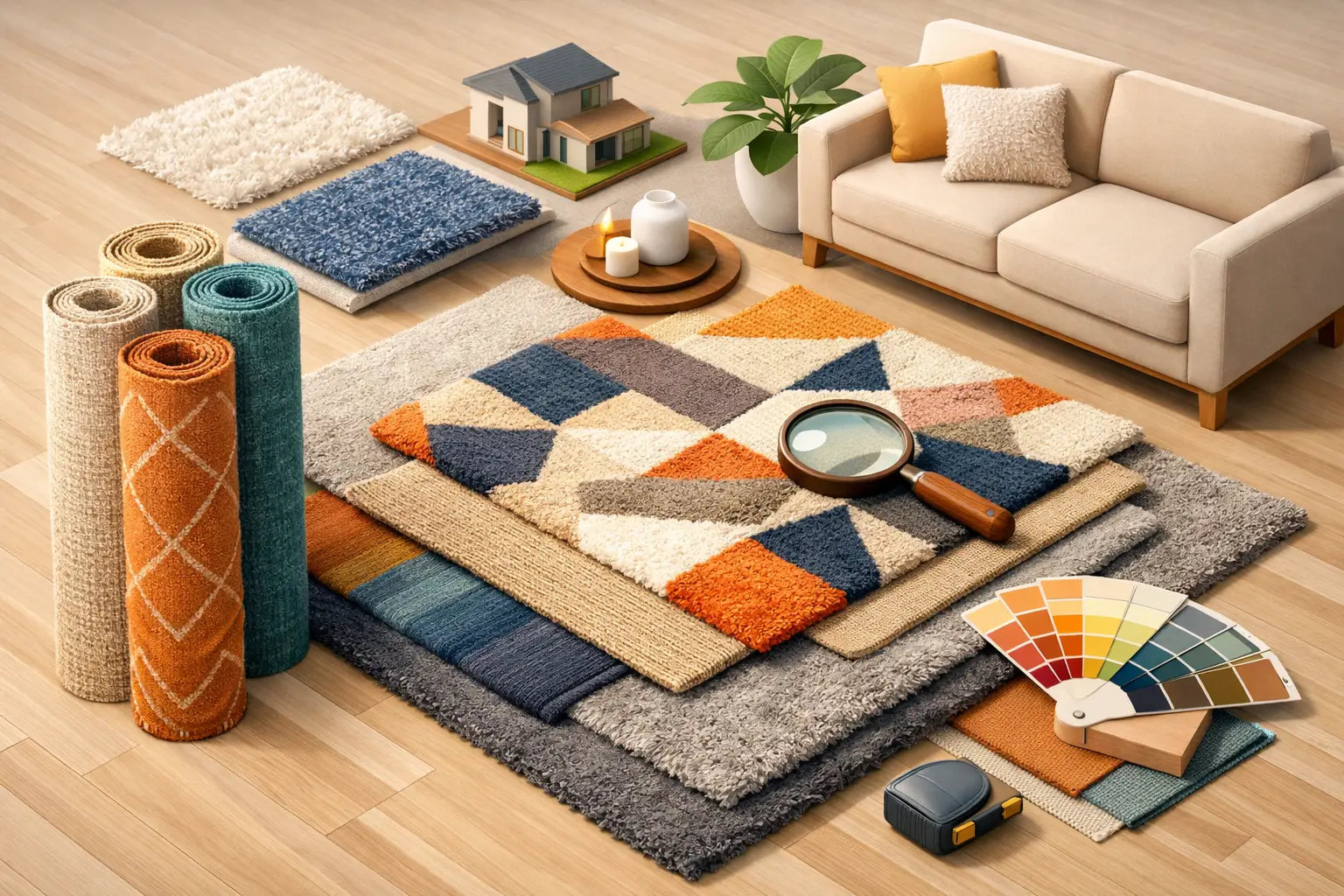
A rug can make a room look finished, but the wrong size can make even good furniture look misplaced. The https://4-the-abode.com/product/valiant/ area rug is worth considering when you want a practical foundation for your space without treating floor decor like an afterthought. Before you buy, focus on the details that matter most: the room’s measurements, the furniture layout, the rug’s listed materials, and how much daily traffic it needs to handle.
A Valiant area rug can add visual order to a bedroom, living room, dining area, entryway, or home office. The best choice is not always the biggest rug or the most dramatic pattern. It is the one that fits the room, supports how you use it, and gives you dependable value for the money.
What to Check Before Buying the Valiant Area Rug
Product photos show color and style, but they cannot tell you whether a rug will work with your furniture footprint. Start with the listed dimensions and measure the open floor space, not just the full room. Use painter’s tape or sheets of paper to outline the rug size on the floor. It is a simple step that prevents the most common rug-shopping mistake: choosing a piece that looks substantial online but feels too small once it arrives.
Also review the product listing for the fiber content, pile or weave description, backing, and care instructions. Those specifications determine whether the rug is a better fit for a quiet bedroom, a busy family room, or a high-use entry. If you have pets, young children, or a household that tracks in dirt from outside, easy maintenance should carry as much weight as appearance.
Color deserves a practical check, too. Screens can make warm ivory look cooler or make a muted charcoal appear almost black. Compare the product photos to the dominant colors already in your room: flooring, upholstery, bedding, curtains, and painted walls. A rug does not need to match everything exactly. It should help the room feel coordinated instead of adding another competing color.
Choose the Right Rug Size for Your Room
Size drives the result. A rug that is too small often makes furniture appear scattered, while one that is too large can hide attractive flooring and crowd the room’s edges. Leave a visible border of flooring around the rug whenever possible, especially in bedrooms and dining rooms.
In a living room, the strongest layout usually puts at least the front legs of the sofa and chairs on the rug. This creates a defined seating area and makes the arrangement feel intentional. A smaller option can work when the rug sits fully in front of the sofa, but it should still be wide enough to relate to the main seating, rather than looking like a small island in the center of the room.
For bedrooms, a rug should extend beyond both sides of the bed and beyond the foot. This gives you a comfortable surface when you get up in the morning. In a compact bedroom, runners on each side of the bed may be the more sensible choice. They save floor coverage while still adding warmth where your feet land.
Dining rooms require extra clearance. Measure the table, then account for chairs pulled back from it. A dining rug should keep all four chair legs on the rug when someone is seated and when they slide the chair out. If that is not possible, a smaller rug may create more frustration than value because chairs can catch on the edge.
Match the Rug to Daily Use, Not Just the Look
A beautiful rug that is hard to care for may be a poor fit for the busiest part of your home. Think honestly about the room’s use before you commit. Bedrooms often allow for softer, more decorative choices because they receive less foot traffic. Entryways, family rooms, and eating areas need a more forgiving surface that can handle crumbs, shoes, pet hair, and regular vacuuming.
If your home includes pets, look for the product’s care guidance before purchase and consider how a pattern may help disguise everyday debris between cleanings. A multi-tonal design can be more practical than a very light solid color in a high-traffic location. That does not mean light rugs are off the table. They can work well in low-use rooms or homes where shoes stay at the door and spills are less likely.
Pile height matters as well. Plush rugs can feel comfortable underfoot, but they may be harder to vacuum and can create issues under doors. Lower-profile options are often easier around door swings, rolling office chairs, and dining chairs. The right answer depends on the room. Comfort may be the priority beside the bed, while easy movement may matter more in an office or hallway.
Place a Valiant Area Rug With Purpose
A rug should support the layout, not simply fill an empty patch of floor. In a living room, center it under the seating group rather than centering it in the room by default. If the sofa is off-center because of a fireplace, TV wall, or window arrangement, follow the furniture arrangement. That is where people will see and use the rug.
In a bedroom, center the rug beneath the lower two-thirds of the bed unless a different layout calls for it. Placing the rug too high under the bed can waste most of the visible surface. Positioning it beneath the lower portion gives the room more coverage where it counts and keeps the rug from disappearing under furniture.
For an entry, make sure the rug does not interfere with the door. Check the clearance before ordering, especially if your front door swings inward. A low-profile rug is usually the safer choice in tight entries. Add a rug pad when appropriate to help reduce shifting and provide a more secure feel underfoot.
Make the Rug Work With Your Existing Home Essentials
You do not need to replace an entire room to make a new rug look right. Start with what already has the biggest visual presence. In a bedroom, that is often the bed, bedding, and window treatments. Choose one or two rug colors that connect with those elements, then let the rug add contrast through texture or pattern.
If your bedroom includes neutral sheets, a dark bed frame, and simple drapes, the rug can carry more visual interest. If you already have bold bedding or patterned curtains, a quieter rug may keep the room from feeling busy. The goal is not a showroom-perfect match. It is a comfortable room that looks put together and is easy to live with.
This approach is especially useful for value-minded shoppers updating one piece at a time. A well-sized area rug can refresh a room without the cost of replacing furniture. Pair it with clean bedding, supportive pillows, and practical window coverings, and the whole space can feel more complete without a luxury-store price tag.
Care Steps That Protect Your Purchase
Follow the rug’s specific care label first, since construction and fibers can vary. For routine upkeep, vacuum regularly using a setting that suits the rug’s pile and backing. Address spills quickly by blotting rather than rubbing, which can spread a stain or work it deeper into the fibers.
Rotate the rug periodically in areas that receive direct sunlight or concentrated foot traffic. This helps wear develop more evenly and can reduce the appearance of fading on one side. A rug pad can also help protect both the rug and the flooring beneath it, while adding a little more cushioning.
Before checking out, confirm the size, review the product details, and measure one more time. That final five-minute check is often what separates a rug you simply like from one that fits your home, your routine, and your budget for years to come.

Leave a Reply