
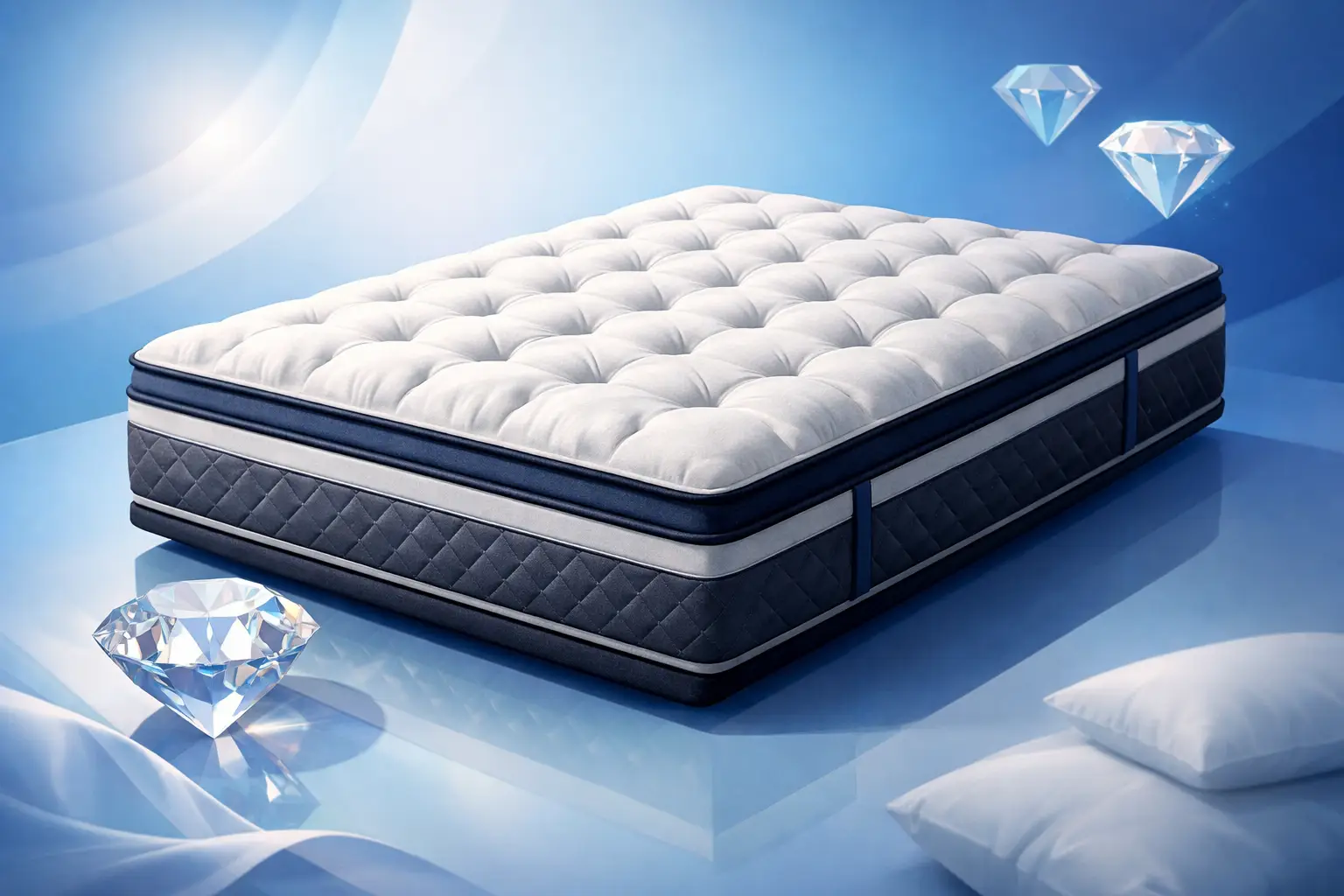
A mattress can look fine long after it stops doing its job. If you wake up stiff, feel your partner move all night, or find yourself avoiding your own bed, replacing it is a practical upgrade, not a luxury. The https://4-the-abode.com/product/diamond-tradition-2-0-pillowtop-luxe-mattress/ is a mattress worth considering for shoppers who want a more cushioned sleep surface without paying inflated showroom prices.
The name tells you the main appeal: a pillowtop feel designed to add surface comfort. But a good mattress purchase is never just about a soft top layer. Your preferred sleep position, body type, current foundation, bedroom dimensions, and budget all affect whether a mattress will feel right after the first few nights.
What a Pillowtop Mattress Is Built to Do
A pillowtop mattress has an added layer of cushioning sewn onto the top of the mattress. Visually, it creates a raised, plush-looking surface. More importantly, it can soften the initial feel when you lie down, which is especially appealing for people who find a basic firm mattress too hard on the shoulders, hips, or lower back.
That does not automatically mean a pillowtop is overly soft. The comfort layer is only one part of the mattress. The support system underneath still determines how well the mattress holds your body in a neutral position. A supportive mattress should allow your shoulders and hips to settle in without letting your midsection sag.
For many shoppers, this balance is the point. You may want a bed that feels inviting at bedtime but does not leave you feeling stuck in the mattress when it is time to get up. The Diamond Tradition 2.0 Pillowtop Luxe Mattress is likely a stronger fit for buyers looking for that more forgiving surface feel than for someone specifically seeking an extra-firm, flat sleep surface.
Who May Like the Diamond Tradition 2.0 Pillowtop Luxe Mattress
Side sleepers are often the first people to consider a pillowtop. When you sleep on your side, your shoulder and hip carry more concentrated pressure. Extra cushioning can help reduce that hard, compressed feeling that makes you shift positions repeatedly during the night.
Back sleepers may also appreciate a pillowtop when they prefer a gentler feel at the surface. The key is keeping the mattress supportive enough through the center of the body. If your current mattress lets your hips drop lower than your shoulders, a plusher top alone will not fix the problem. The underlying support matters just as much.
Combination sleepers who rotate between their side and back can be good candidates as well, especially if they want some pressure relief without the deeply cradled sensation associated with very soft mattresses. However, people who sleep primarily on their stomach often need a firmer, more level feel to help avoid excessive hip sink. For that group, it is smart to carefully review the listed comfort level and construction before ordering.
Body size can also change the experience. A lighter sleeper may perceive a pillowtop as plush, while a heavier sleeper may compress the comfort layers more and experience a firmer overall feel. There is no single “best” feel for everyone, which is why matching the mattress to your own sleep habits matters more than following a generic label.
Check Your Current Bed Setup Before Ordering
Replacing a mattress is easier when you confirm the basics first. Measure your bed frame and make sure you are ordering the size you actually need. A queen can be a practical choice for couples in a standard bedroom, while a king gives more personal space but requires a larger room, larger sheets, and more room to move around the frame.
Also inspect the foundation or platform supporting your current mattress. A mattress needs stable, even support. Worn box springs, broken slats, or a frame with inadequate center support can affect comfort and shorten the useful life of a new mattress. If your foundation is old enough to be questionable, replacing it at the same time may be a smarter investment than putting a new mattress on an unstable base.
Mattress height is another detail shoppers sometimes miss. A pillowtop model can sit higher than a basic mattress, particularly when paired with a foundation. That can be a benefit if you prefer a taller bed that is easier to get in and out of, but it also affects fitted-sheet depth, headboard proportions, and bedside-table height. Check the product dimensions and compare them with your existing setup before making a final decision.
Comfort Is Personal, but Support Is Not Optional
A mattress should not be judged only by how soft it feels when you first sit on it. Initial comfort is easy to notice. Long-term support is what helps determine whether the bed is still working for you after a full night of sleep.
Look for a feel that supports your natural alignment. On your side, your spine should remain reasonably straight rather than dipping toward the mattress. On your back, your lower back should feel supported without a large gap beneath it. A little contouring can be comfortable; deep sagging is not.
Temperature is another consideration. Some sleepers run warm and prefer bedding that does not trap too much heat, while others prioritize a more cushioned, cozy surface. Your sheets, mattress protector, blankets, room temperature, and even the type of pillow you use all contribute to the final sleep experience. Buying a mattress is the largest part of the decision, but the rest of the bed setup still matters.
Make the Purchase Work Harder for Your Budget
A mattress is a necessary home purchase, and it should be priced that way. Paying more does not guarantee a better fit, particularly when retail markups and showroom overhead are part of the equation. Focus on the mattress size and comfort category you need, then compare the total cost of completing the setup.
That total may include a foundation, mattress protector, new pillows, fitted sheets deep enough for the mattress height, and delivery considerations. Bundling the essentials at the time of purchase can be more practical than realizing later that your old sheets no longer fit or your old foundation is not suitable.
A quality mattress protector is especially worth considering from day one. It adds a layer of defense against spills, sweat, and everyday accidents while helping keep the sleep surface cleaner. Use a protector that fits properly and does not bunch under the sheets. A loose or poorly sized protector can interfere with the comfort you paid for.
For shoppers in the continental United States, free shipping can also make a meaningful difference to the final price. At 4 The Abode, the 365 Day Best Price Guarantee and straightforward value-focused pricing are designed for buyers who want dependable sleep essentials without extra store overhead.
Questions to Answer Before You Buy
Before placing an order, review the product details and ask yourself a few direct questions. Do you sleep mostly on your side, back, stomach, or a mix? Are you replacing a mattress because it has become uncomfortable, because it is sagging, or because your household needs a different size? Will the mattress be used every night, in a guest room, or in a secondary home?
It also helps to think about your non-negotiables. If motion from a partner keeps you awake, look closely at the mattress construction and available product information. If you have recurring back discomfort, prioritize consistent support and speak with a qualified medical professional for individual guidance rather than expecting any mattress to solve a medical issue.
Finally, confirm the size, dimensions, comfort description, care guidance, shipping details, and current return terms shown on the product page. Those details are more useful than broad claims because they tell you exactly what you are ordering.
The right mattress should make bedtime simpler: enough comfort to help you settle in, enough support to help you wake up ready, and a price that leaves room in the budget for the rest of your home.

Leave a Reply