
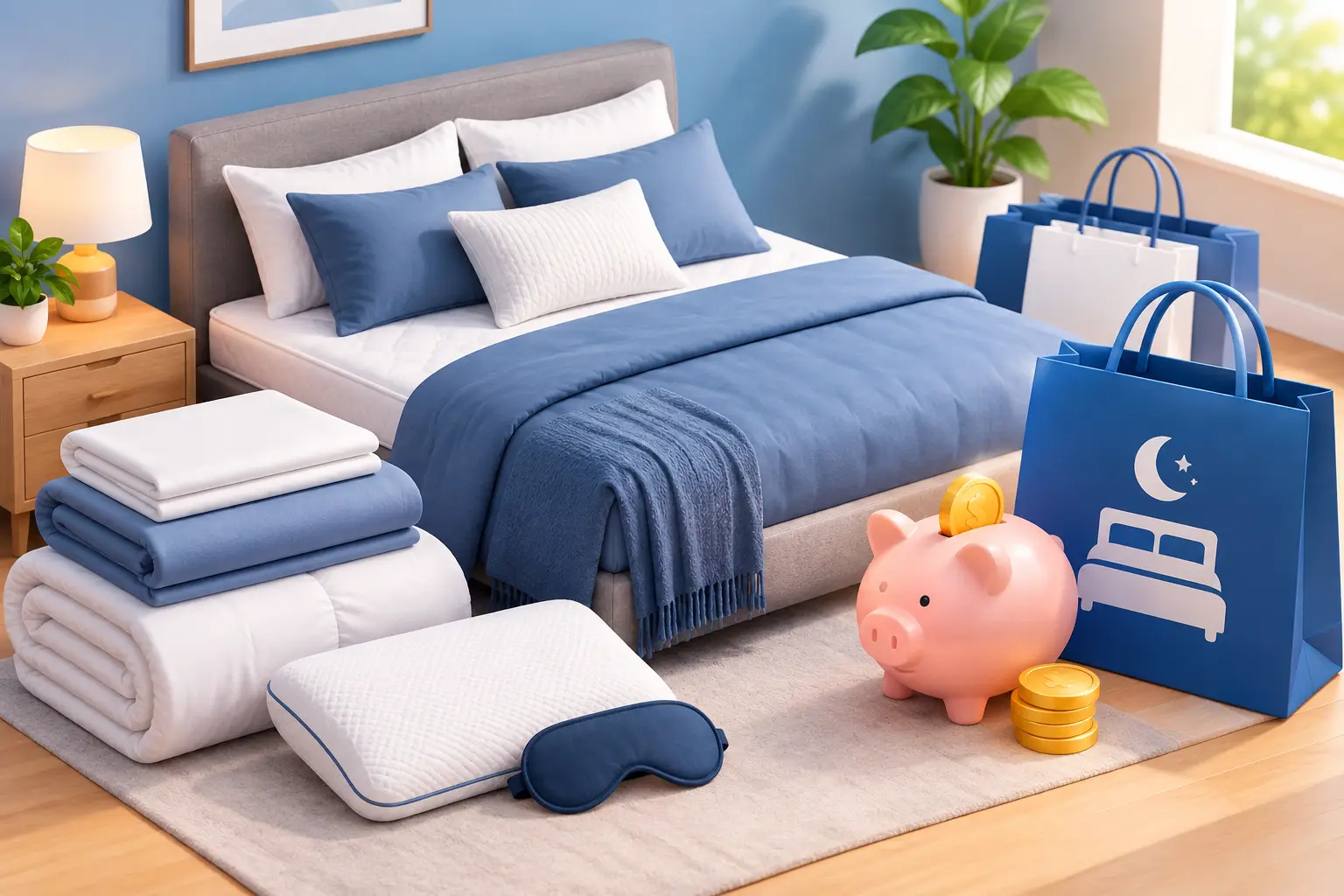
A worn mattress rarely fails all at once. It starts with a sore lower back, a pillow that will not stay comfortable, or sheets that have lost their fit. That is why a guide to shopping sleep bundles should start with the real problem you need to solve, not with a pile of products in your cart. Buying key sleep essentials together can simplify the decision, reduce replacement costs, and help every layer of the bed work together.
A sleep bundle can be as simple as a mattress and foundation or as complete as a mattress, protectors, pillows, and new sheets. The right combination depends on whether you are replacing one item, furnishing a guest room, setting up an RV, or refreshing the primary bedroom. The best value is not always the biggest bundle. It is the bundle that covers what you need now and holds up over time.
Start With the Mattress
The mattress is the biggest comfort decision and usually the item with the longest replacement cycle. Choose it before selecting sheets, pillows, or a foundation. A great set of sheets cannot make up for a mattress that is too firm, too soft, or the wrong size for the room.
Start by measuring your available space, including clearance for doors, nightstands, and walking around the bed. A king may sound like the obvious comfort upgrade, but a queen often makes better sense in a smaller bedroom. For RV owners, measure the sleeping platform carefully. RV mattresses often have nonstandard dimensions, and assuming a standard queen will fit can lead to an expensive return.
Then consider how you sleep. Side sleepers commonly prefer more pressure relief around the shoulders and hips. Back sleepers often need balanced support that keeps the spine from sinking. Stomach sleepers may prefer a firmer feel, although body weight and personal comfort still matter. If two people share the bed with very different preferences, look for a middle-ground feel and use pillows to fine-tune individual comfort.
Do not overlook mattress height. A deeper mattress can feel more substantial, but it may require deep-pocket sheets and can raise the overall bed height when paired with a foundation. This is especially relevant for shorter sleepers, older adults, and RV spaces with limited headroom.
Choose a Foundation That Supports the Purchase
A mattress foundation is not just a way to make the bed look finished. It can affect support, height, airflow, and warranty requirements. Some mattresses work well on a platform bed, while others benefit from a traditional foundation or adjustable base. Check the mattress specifications before assuming your existing frame will do the job.
If your current foundation is old, bowed, noisy, or damaged, replacing it with the mattress is usually the practical move. An aging base can shorten the useful life of a new mattress and create uneven support. Buying both together also means you know the sizes match from the start.
For shoppers watching the budget, decide whether extra height is a need or simply a preference. A lower-profile foundation may make it easier to get into bed and can leave more visual space in the room. A standard-height foundation can create the classic taller bed many homeowners prefer. Neither is automatically better. The right choice is the one that fits your frame, mobility needs, and bedroom layout.
Add Protection Before Adding Style
Mattress and pillow protectors are some of the easiest items to skip at checkout, but they can protect the larger investment underneath. A good mattress protector helps guard against spills, sweat, dust, and everyday wear. For families with children, pet owners, renters, and anyone buying a new mattress, this layer makes practical sense.
The key is choosing protection that does not compromise comfort. Look for a protector that fits the mattress depth, stays secure at the corners, and is designed for breathability. A protector that bunches up or slides around will be noticeable every night. If temperature is a concern, avoid adding too many thick layers that trap heat.
Pillow protectors deserve the same attention. Pillows collect body oils, moisture, and allergens over time, even when they are inside pillowcases. A washable protector can help extend the life of a pillow and keep the sleep setup cleaner between replacements. This is a low-cost addition with a clear everyday benefit.
Match Sheets to Mattress Depth and Daily Use
Sheet shopping gets easier when you start with fit, not color. Before buying, know the mattress size and depth, then account for a mattress protector, topper, or pad. A fitted sheet that is technically the right size can still pop off the corners if its pocket depth is too shallow.
DreamFit sheets are a strong choice for shoppers who are tired of tugging fitted corners back into place. Secure-fit construction is especially useful for deeper mattresses, active sleepers, and adjustable setups where the bed moves. It is one of those details that seems minor until you no longer wake up to a loose fitted sheet.
Fabric choice should reflect how you actually use the bed. If you sleep warm, prioritize a breathable feel and do not automatically assume heavier fabric means better quality. If you want a crisp, structured feel, choose accordingly. If a guest room is used occasionally, durability and easy care may matter more than a highly specialized fabric.
It is smart to own at least two sheet sets for the bed you use most. One stays on the mattress while the other is in the wash. That simple rotation helps sheets last longer and prevents a laundry day from becoming a reason to put off changing the bed.
Pick Pillows for Your Sleeping Position
A mattress sets the foundation, but a pillow controls the angle of your head and neck. The wrong pillow can make even a comfortable mattress feel disappointing. This is why pillows belong in a well-planned sleep bundle rather than as an afterthought.
Side sleepers often need more loft to fill the space between the shoulder and head. Back sleepers generally need moderate loft so the head does not tilt too far forward. Stomach sleepers typically do better with a softer, lower pillow, or sometimes no pillow under the head at all. These are starting points, not hard rules. Shoulder width, mattress firmness, and personal preference all affect the best choice.
For a shared bed, avoid assuming both sleepers should use the same pillow. Buying two different pillow styles can be the better value if it helps each person sleep comfortably. Guest rooms are different. There, a medium, versatile option is often the safest choice for a range of visitors.
How to Build a Sleep Bundle Without Overbuying
The goal is to buy the essential layers that improve comfort and protect the bed, not to add items simply because they are available. Start with the mattress and support system, then add a mattress protector, pillows, pillow protectors, and sheets. That is the core setup for most households.
From there, assess what your home actually needs. A primary bedroom may justify two sheet sets and personalized pillows. A guest room may only need one dependable sheet set, two versatile pillows, and a protector. An RV setup may prioritize exact sizing, easy-care bedding, and products that pack or store efficiently.
When comparing bundle prices, look beyond the first number you see. Confirm the sizes, quantities, materials, and included pieces. A lower-priced set is not a better deal if you still need to purchase protectors, pillows, or correctly sized sheets separately. Free shipping and a clear price guarantee can also change the final value, especially on large items like mattresses and foundations.
At 4 The Abode, shoppers can build a practical sleep setup around affordable premium essentials, with free shipping in the continental USA and a 365 Day Best Price Guarantee. Those benefits matter most when you are buying several pieces at once and want straightforward value without luxury-store pricing.
Check the Details Before You Checkout
Before placing the order, review dimensions one more time. Confirm the mattress size, foundation size, sheet pocket depth, protector fit, and pillow count. If you are furnishing an RV or using an existing frame, compare every measurement rather than relying on the product name alone.
Also consider your delivery plan. Mattresses and foundations are larger purchases, so clear a path through hallways, stairways, and doorways before arrival. If you are replacing an old mattress, decide in advance how it will be moved or disposed of. A little preparation keeps the new sleep setup from sitting in the box while you solve a logistics problem.
A smart sleep bundle should make the next several years easier, not just make today’s order look bigger. Buy for the bed you use, the comfort you need, and the protection that helps each piece last. When the mattress, bedding, and accessories fit together, better sleep becomes a practical upgrade you notice every night.

Leave a Reply