
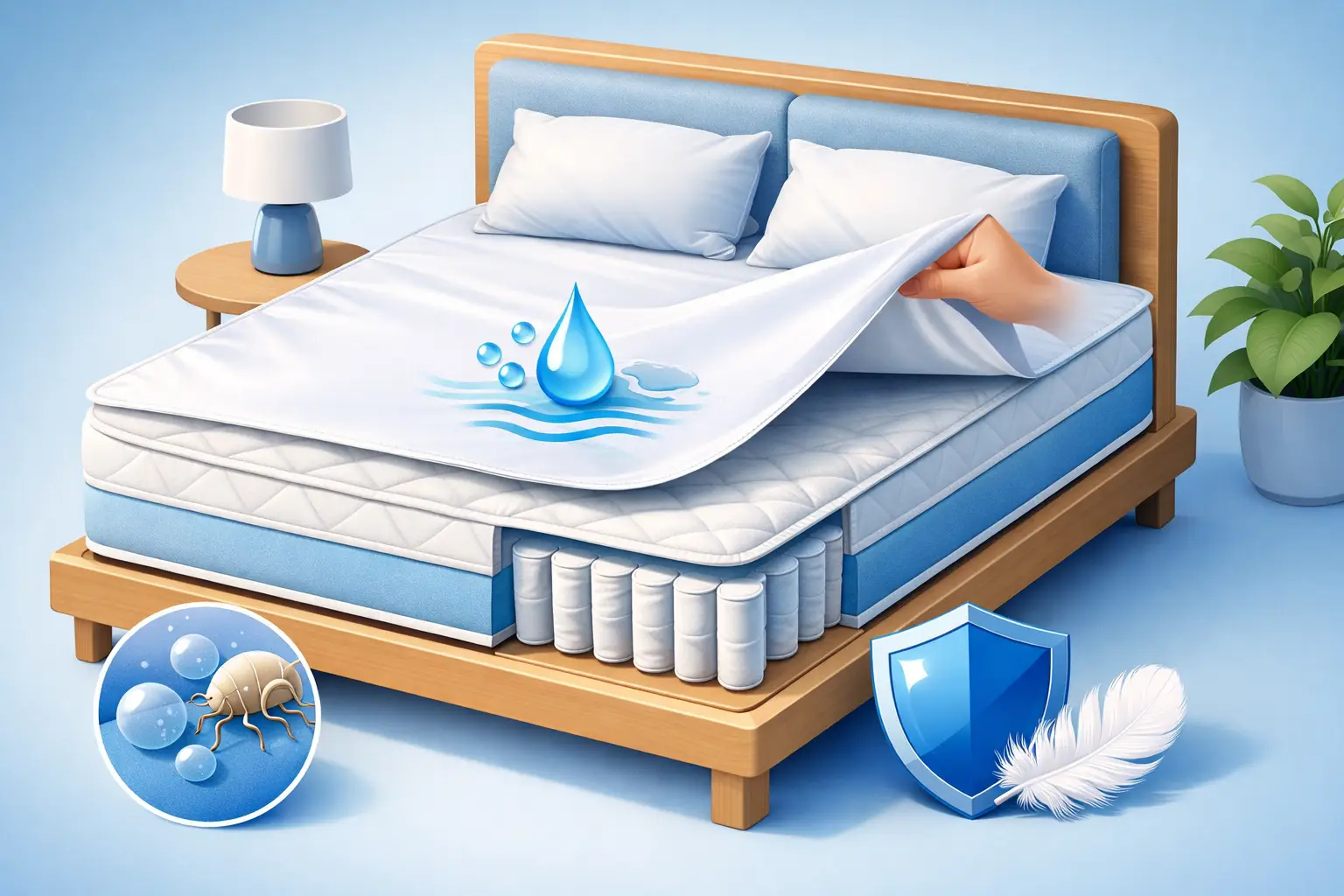
That fresh mattress feeling can disappear fast after one spill, one sweaty summer, or one pet accident. If you’re asking are mattress protectors necessary, the short answer is yes for most households – but the right answer depends on how you sleep, what you’re protecting against, and how long you want your mattress to last.
A mattress is one of the bigger purchases in any bedroom, even when you shop smart. Once moisture, body oils, dust, or stains work their way into the surface, you cannot truly wash a mattress the way you wash sheets. That’s the practical case for a protector. It adds a removable barrier between daily life and the mattress itself, which is a simple, low-cost way to avoid damage that is expensive or impossible to reverse.
Are mattress protectors necessary for every bed?
Not every sleeper has the same level of risk, but most beds benefit from one. If you eat or drink in bed, sleep hot, have kids, share the bed with pets, deal with allergies, or own an RV mattress, a protector moves from nice extra to common-sense essential.
Even if none of those apply, your mattress still collects sweat, skin cells, and general buildup over time. That wear is gradual, which is why many people underestimate it. A protector is less about reacting to disasters and more about preventing the slow kind of damage that shortens the usable life of a mattress.
For guest rooms, the argument is slightly different. Those beds may not see nightly use, but they often go longer between cleanings and may be used by different people with different habits. A protector makes that setup easier to maintain without much added cost.
What a mattress protector actually does
A good mattress protector is there to handle the things your mattress should not absorb. The first job is moisture protection. Sweat alone is enough to matter, especially for hot sleepers and memory foam owners. Add an occasional spill or accident, and the need becomes obvious.
The second job is keeping surface contamination down. Dust, oils, dead skin, and minor debris all settle where you sleep. Sheets help, but they are not the full barrier many shoppers assume they are. Over time, that buildup can affect freshness and cleanliness.
The third job is preserving the condition of the mattress fabric. Stains can be more than cosmetic. Some manufacturers are strict about what counts as misuse or poor care when warranty claims come up. A protector cannot guarantee coverage, but it can help you avoid the kind of visible damage that creates problems later.
When a protector is absolutely worth it
Some situations make the decision easy. Households with children usually benefit from a waterproof option because accidents happen, even after potty training. Pet owners are in the same category. Fur is one issue, but claws, drool, and the occasional mess are the bigger reason.
Hot sleepers should also take protectors seriously. Nightly perspiration does not look dramatic, but repeated moisture exposure adds up. If your mattress traps heat or you live in a humid climate, the extra layer can make routine care much easier.
Allergy-prone sleepers often appreciate the added barrier too. Not every protector is built as a full allergen defense, but many help reduce the direct buildup that can make sleep less comfortable.
RV owners have another practical reason. RV mattresses often deal with tighter spaces, changing temperatures, and more variable use. Replacing one can be less convenient than replacing a standard home mattress, so basic protection makes sense from a value standpoint.
When shoppers hesitate
The hesitation is usually about comfort. Some people hear “protector” and think of the stiff, crinkly plastic covers they remember from years ago. That concern is fair because cheap protectors can sleep hot, feel noisy, or change the feel of the mattress.
That does not mean all protectors are a bad idea. It means material and construction matter. A better protector should fit securely, stay quiet, and protect without turning your bed into a vinyl booth. If the product is overly rigid or traps too much heat, you’ll notice it every night, and then the low price stops looking like a bargain.
Another concern is whether a protector will ruin the feel of a premium mattress. In some cases, a thick padded protector can slightly change firmness or reduce the contouring effect of foam. If you bought a mattress specifically for pressure relief or a certain feel, a slim fitted protector is usually the better choice than a bulky one.
Are mattress protectors necessary if you already wash your sheets?
Yes, because sheets and protectors do different jobs. Sheets are for comfort and regular washing. A protector is for defense against what gets through the sheets or happens unexpectedly.
Think of it this way: washing sheets is normal maintenance, while using a protector is damage control before damage happens. You need both if you want the bed to stay cleaner and hold up better over time.
This matters even more if you spent good money on your mattress but want to keep the overall setup affordable. Replacing a protector is easy. Replacing a mattress early is not.
How to choose one without overpaying
Start with the real need, not the most inflated product claims. If spills, pets, or kids are part of the equation, prioritize waterproof protection. If your biggest concern is light sweat and general cleanliness, a breathable fitted protector may be enough.
Look closely at fit. A protector that slides around or pops off deep mattresses becomes annoying fast. Pocket depth matters, especially if you use a thicker mattress or topper.
Then check the sleep feel. Breathability matters for hot sleepers, and quiet fabric matters for anyone sensitive to noise. A protector should do its job without announcing itself every time you move.
You should also consider how easy it is to wash. If care instructions are too complicated, many people stop using the product correctly. Practical bedding should be easy to remove, wash, and put back on.
Price matters, but this is one of those categories where the cheapest option can create the most complaints. The sweet spot is usually a dependable protector that gives you clear protection and a clean fit without layering on unnecessary features.
The cost question most shoppers really mean
When people ask are mattress protectors necessary, they are often really asking if they are worth buying now or if they can skip it and save money. For most buyers, the math favors buying one.
A protector is a relatively small add-on compared with the cost of a mattress, foundation, sheets, and pillows. It can also help you avoid stains, reduce wear, and keep the bed in better condition from the start. That is especially true if you are furnishing a whole room, replacing multiple sleep items, or trying to get more life out of a mattress you already own.
For value-focused shoppers, this is the kind of purchase that makes sense because it protects the larger investment. At 4 The Abode, that practical mindset matters. You want essential comfort, not overpriced extras, and a mattress protector earns its place when it helps keep the bed cleaner, fresher, and in better shape.
The real answer
Mattress protectors are not hype, and they are not mandatory for every single sleeper in the same way. But for most households, they are one of the smartest low-cost bedding purchases you can make. The key is choosing the right type instead of buying a poor one and deciding all protectors are the same.
If you want your mattress to stay cleaner, look better longer, and stand up to real life, a protector is the practical move. It is not about adding one more item to your cart for the sake of it. It is about spending a little now so your bed keeps doing its job night after night.

Leave a Reply