
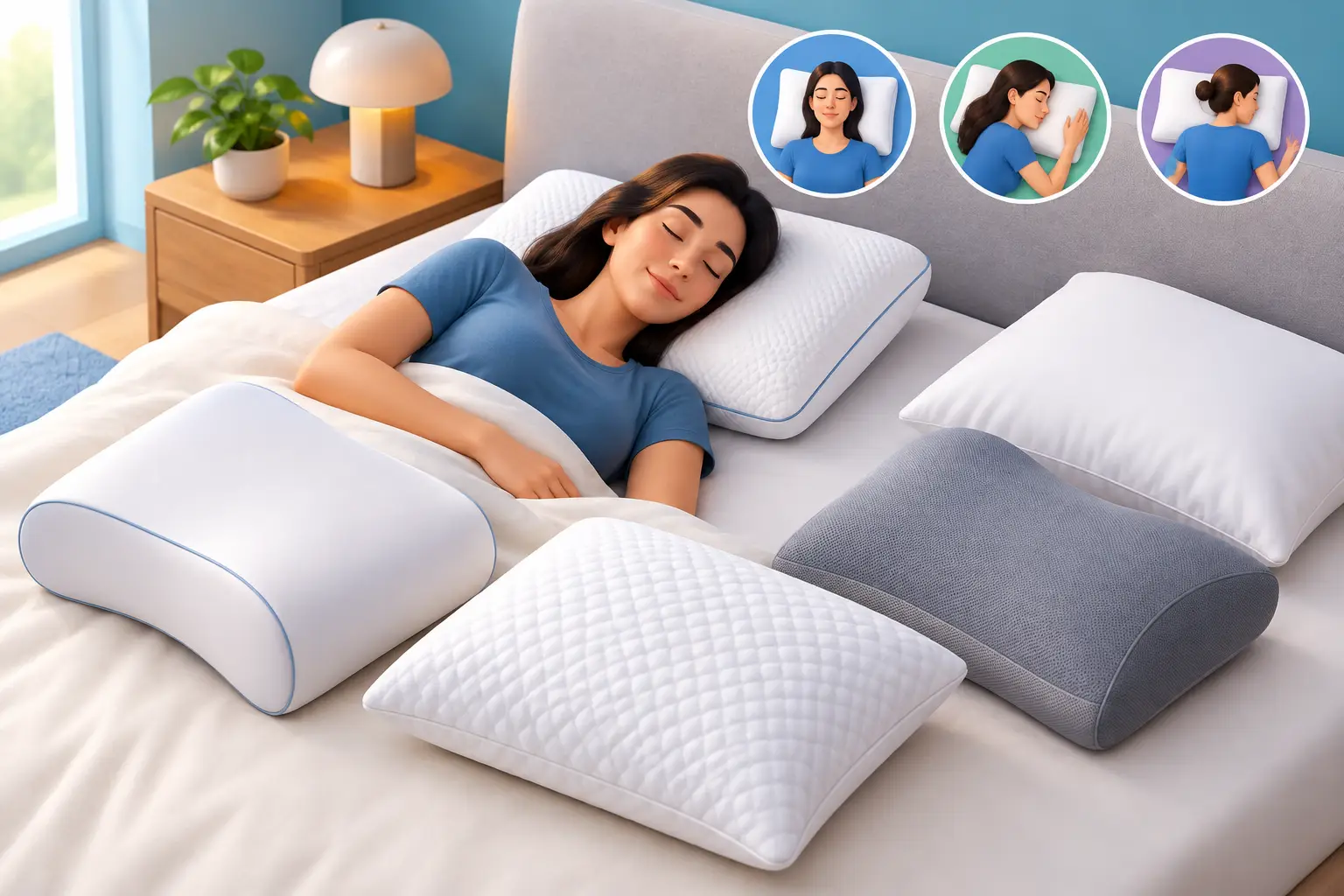
If you fall asleep on your side, wake up on your back, and occasionally turn onto your stomach before morning, one flat or overly firm pillow can make the whole night feel uncomfortable. The best pillows for combination sleepers are not about chasing a trendy material. They are about keeping your head and neck supported as your position changes – without constant fluffing, bunching, or overheating.
A good combination-sleeper pillow needs range. It should have enough loft to fill the space between your shoulder and mattress when you sleep on your side, while still compressing enough to feel natural when you roll onto your back or stomach. That balance is why the right pillow can make a bigger difference than an expensive pillow with the wrong shape or firmness.
What Combination Sleepers Need From a Pillow
Combination sleepers move throughout the night, often without realizing it. A pillow that feels excellent in one position can create neck strain in another. Side sleepers generally need more height. Back sleepers need a medium profile that supports the neck without tipping the head forward. Stomach sleepers usually need a low, softer pillow or very little elevation at all.
For most people who rotate between positions, a medium-loft, medium-support pillow is the practical starting point. Think of it as the middle ground: high enough for side sleeping, but flexible enough for back sleeping. If you spend most of the night on your side, you may need a slightly fuller option. If stomach sleeping is a frequent position, choose a pillow that compresses easily or lets you remove fill.
Your mattress matters, too. A plush mattress lets your shoulders sink farther down, which often means you need less pillow height. A firm mattress holds your body higher and can call for a loftier pillow. Buying a pillow without considering your mattress is one of the easiest ways to end up with a product that feels wrong, even when its materials are high quality.
Best Pillows for Combination Sleepers: Key Features
The best choice is usually a pillow with adaptable support rather than a single fixed feel. Here is what to look for before you buy.
Adjustable loft
An adjustable pillow allows you to add or remove filling until the height fits your body and sleep habits. This is especially useful for combination sleepers because there is no one perfect loft for every position. You can start with a medium fill level, sleep on it for several nights, then remove a small amount if your neck feels pushed upward or add more if your shoulder lacks support.
Shredded memory foam and fiber-fill pillows are common adjustable choices. The trade-off is that they may need occasional reshaping, especially if you prefer a very even, smooth surface. For many shoppers, that small amount of maintenance is worthwhile because the fit is more personalized.
Medium, responsive support
A pillow should hold your head in alignment with your spine, not trap it in one position. Responsive materials recover after pressure is removed, which helps when you turn during the night. Latex and quality foam are known for quick response, while down-alternative fills can offer a softer, more traditional feel.
Solid memory foam can provide dependable support, but it is not always the easiest option for frequent position changes. If it is too high, too dense, or contoured for a single sleep style, it may feel restrictive when you roll over. A softer foam or shredded foam design is often a better fit for combination sleepers.
Cooling that fits your needs
Moving around at night can be a sign of discomfort, and heat is often part of the problem. If you regularly flip your pillow to find the cool side, prioritize breathable covers, ventilated foam, latex, or down-alternative fill that allows more airflow.
Cooling features can add cost, so focus on the basics first: correct loft, support, and materials you find comfortable. A cooling cover will not solve neck pain caused by a pillow that is too tall. It can, however, make a well-fitted pillow more comfortable through the night.
A washable or protected sleep surface
Pillows collect body oils, sweat, dust, and allergens over time. A removable, washable cover is a practical convenience, particularly in guest rooms, kids’ rooms, and RV sleeping spaces. A separate pillow protector adds another layer of defense and can help preserve the pillow’s feel and cleanliness.
Check care instructions before purchasing. Some pillows are machine washable, while foam inserts may require spot cleaning only. A pillow that fits your sleep needs but is difficult to maintain may not be the best long-term value.
Compare Common Pillow Fills
No single fill is automatically best. The right material depends on how much you move, how warm you sleep, and whether you prefer a cushioned or more supportive feel.
Shredded memory foam is a strong all-around choice for many combination sleepers because it can be adjustable and supportive. It conforms around the head and neck, then shifts with you as you change position. It can feel warmer than other fills, although breathable covers and ventilated foam can help.
Latex offers a buoyant, supportive feel that makes rolling over easier than it can be on slow-moving foam. It is often a good match for sleepers who want support without the deep sink of memory foam. Latex pillows can cost more upfront, but their durability may justify the price for shoppers replacing pillows often.
Down alternative provides a soft, familiar feel at a more accessible price. It is a practical pick if you like a plush pillow that you can mold under your head. The downside is that low-quality versions can flatten quickly, so look for a construction that holds its shape and choose a medium fill instead of an overly thin option.
Traditional down is light and highly moldable, but it may not provide enough steady support for side sleeping unless it has substantial fill. It can also require more frequent fluffing. For a combination sleeper who wants less maintenance, a supportive down alternative or adjustable fill may be the simpler choice.
Hybrid pillows combine materials, such as a supportive foam core with softer outer fill. They can deliver a useful mix of structure and cushioning. Before choosing one, consider whether the loft is adjustable. A well-designed hybrid can work well, but a fixed high profile may still be too much for stomach sleeping.
Choose Loft Based on How You Actually Sleep
Do not choose based only on the sleep position you start in. Choose based on the position where you spend the most time and the one that causes discomfort. If you are mostly a side and back sleeper, medium to medium-high loft is generally the best place to start. If you shift between back and stomach sleeping, low to medium loft is usually safer.
Pay attention to morning signals. Neck stiffness may mean the pillow is too high, too low, or too firm. Shoulder pressure while side sleeping can mean your pillow lacks height, your mattress is too firm, or both. Headaches, frequent arm numbness, and ongoing pain deserve attention from a qualified healthcare professional, especially when they continue after changing your sleep setup.
Your body frame also affects pillow fit. Broad-shouldered sleepers often need more loft on a firm mattress. Smaller-framed sleepers may find the same pillow too tall. This is why adjustable options offer strong value: they reduce the guesswork and let more than one household member fine-tune the fit.
Avoid These Common Buying Mistakes
The biggest mistake is assuming firmer always means more supportive. A pillow can be firm but too tall, forcing your neck out of alignment. Another common mistake is buying two identical pillows for every bed in the house. Guest rooms, RV bunks, and primary bedrooms may need different pillow sizes and feels because mattresses, sleeping positions, and available space vary.
Do not judge a pillow by the first five minutes, either. Give it several nights unless it is clearly uncomfortable. Your body may need a short adjustment period, especially when replacing a flattened older pillow. At the same time, do not keep trying to make an obviously wrong loft work. A pillow should make bedtime easier, not become another problem to manage.
For value-conscious shoppers, it also makes sense to protect the investment. Pairing a quality pillow with a breathable pillow protector can help extend its usable life. At 4 The Abode, practical sleep upgrades are easier to plan when you can shop pillows, protectors, sheets, and other bedroom essentials together while keeping price and everyday comfort in view.
A Better Way to Shop for Your Next Pillow
Start with your dominant positions, mattress firmness, and preferred feel. Then choose an adaptable medium-loft option if your habits are truly mixed. If you know you sleep mainly on your side, go a little fuller. If you regularly sleep on your stomach, avoid tall, dense pillows that keep your head elevated all night.
The right pillow should disappear into your routine. When you wake up with a more relaxed neck, fewer midnight adjustments, and enough energy to handle the day, you have found a sleep essential that earns its place on the bed.

Leave a Reply